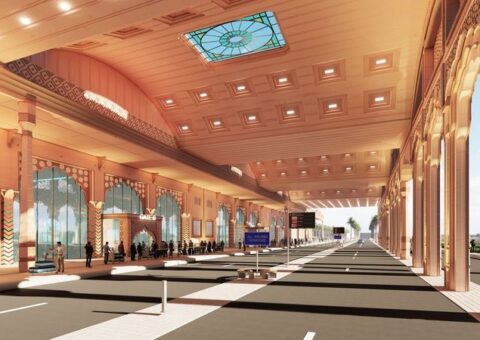
Climate-responsive design cannot exist separately from culture-responsive design.
Climate-responsive design is often positioned as a technical pursuit, focused on performance benchmarks, systems efficiency, and envelope optimisation. In practice, climate is inseparable from culture. In the Indian context, climatic conditions have historically shaped construction methods, spatial organisation, and material use, resulting in architectural systems that responded to environmental constraints while supporting social and cultural patterns. This relationship continues to offer critical lessons for contemporary practice.
Global sustainability frameworks have introduced valuable tools and metrics, yet they are often applied uniformly across diverse geographies. When these approaches are detached from regional climatic behaviour and modes of inhabitation, buildings can become dependent on mechanical systems to compensate for contextual misalignment. A context-driven approach reframes sustainability as an act of interpretation rather than adoption, where climate responsiveness emerges from an understanding of place.
When climatic misalignment leads to increased reliance on mechanical cooling, artificial lighting, and high-performance envelope systems, the operational carbon footprint of buildings rises significantly. Climate-responsive design, by reducing energy demand through passive strategies, directly contributes to lowering operational emissions and aligns environmental performance with contextual intelligence.
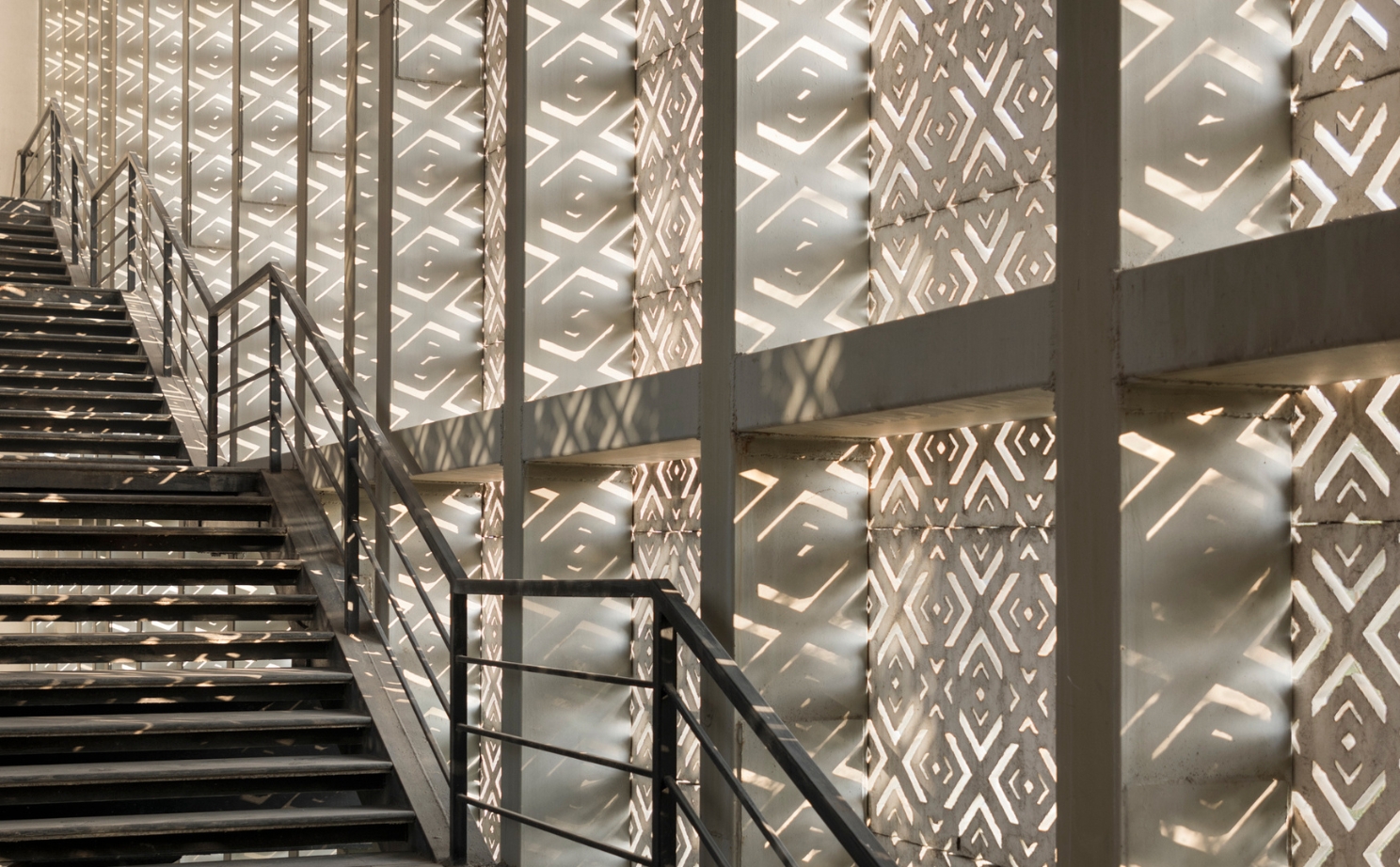
Traditional architectural practices in India demonstrate how climatic intelligence was embedded in design decisions. Spatial hierarchies moderated heat and glare, calibrated openings controlled airflow and daylight, and material mass stabilised internal temperatures. These strategies were not formal expressions but operational responses that evolved through long-term observation and adaptation. Their relevance today lies not in replication but in the principles they embody.
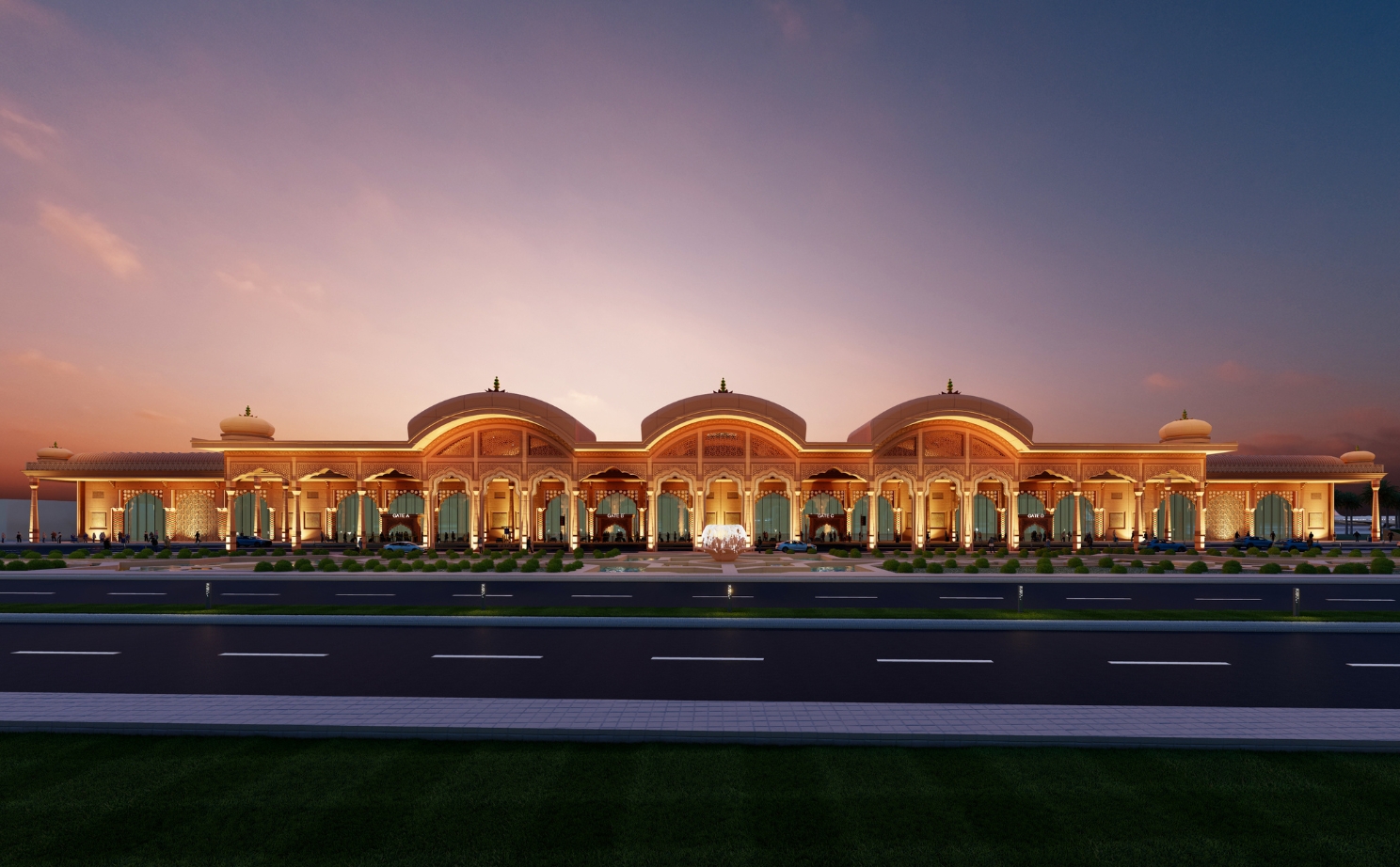
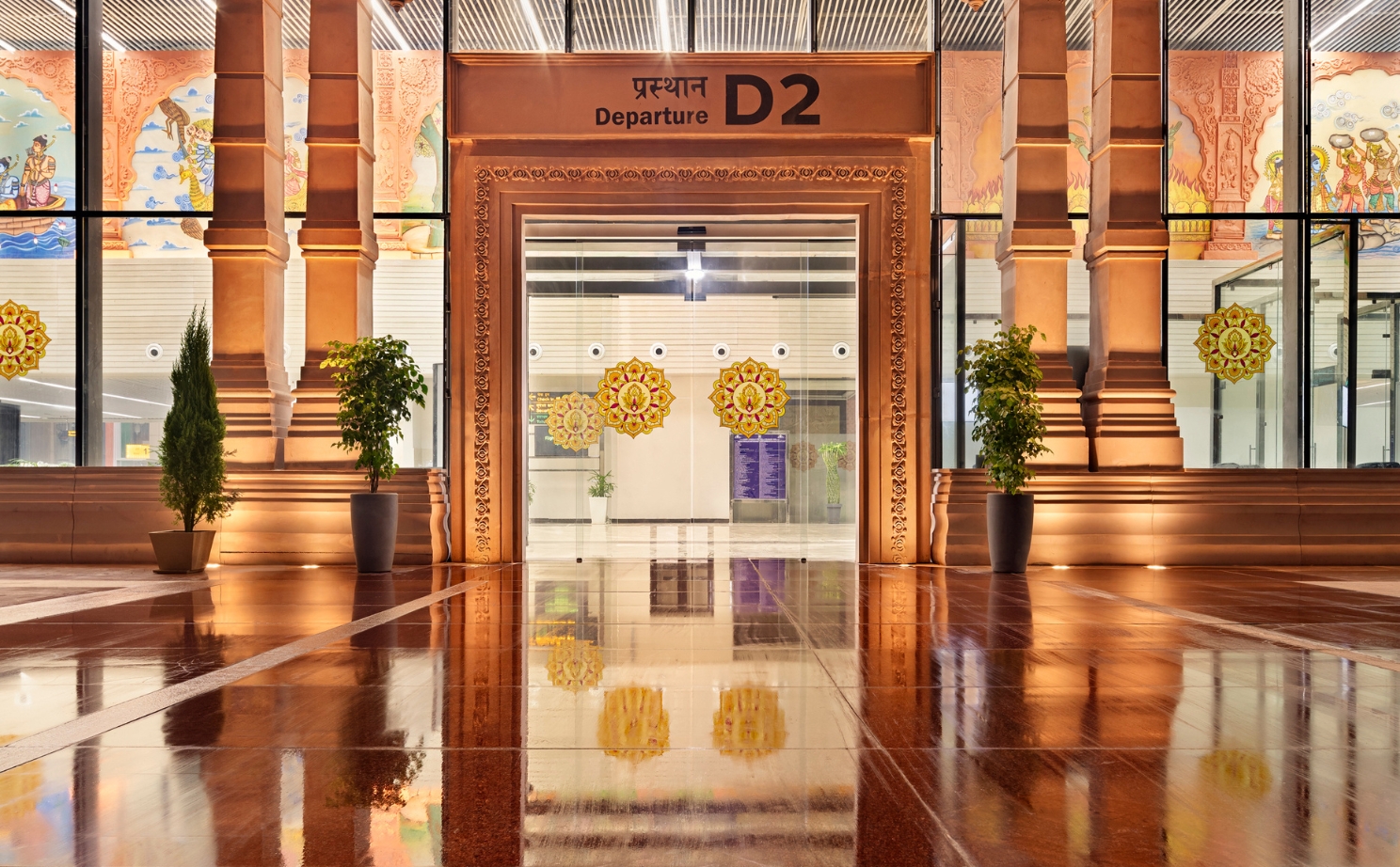
Contemporary architecture can reinterpret these principles through modern construction methods, regulatory frameworks, and programme requirements. Passive climatic strategies can inform building orientation, massing, façade articulation, and spatial sequencing. Material behaviour, understood through traditional use, can guide contemporary material selection and detailing. The aim is not to reproduce historical forms but to translate climatic logic into present-day architectural language.
Material intelligence plays a central role in this reinterpretation. Indigenous materials such as stone, brick, lime, and timber were historically selected for their climatic performance, availability, and adaptability. Their local sourcing, lower processing intensity, and thermal efficiency offer the potential to reduce embodied carbon compared with highly industrialised construction systems, particularly across the building lifecycle. In contemporary practice, these materials can be re-engaged through updated detailing, structural systems, and hybrid assemblies. Their continued relevance lies in their ability to perform thermally, age predictably, and remain maintainable over time. This approach supports sustainability not only through reduced embodied energy but through long-term usability.
The reinterpretation of traditional knowledge also informs how buildings are occupied and maintained. Architectural strategies that respond to seasonal variation, patterns of use, and incremental change allow buildings to adapt over time. This adaptability reflects a cultural understanding of architecture as an evolving system rather than a fixed object. Contemporary practice benefits from this perspective, particularly in regions where climatic conditions demand flexibility rather than uniform control.
As architectural discourse increasingly recognises the limits of universal sustainability models, there is renewed relevance in regionally grounded design intelligence. In India, climate-responsive design has long been inseparable from cultural practice. The challenge for contemporary architecture is to engage this knowledge critically and constructively, translating established principles into buildings that meet current functional, technical, and social requirements.
When climate and culture are treated as a single design condition, architecture gains resilience and relevance. Reinterpreted rather than replicated, traditional strategies continue to inform contemporary design, ensuring that buildings respond not only to environmental performance criteria but to the lived realities of place. In an era defined by decarbonisation targets and escalating climate commitments, regionally grounded climate-responsive design offers a measurable pathway toward reducing both operational and embodied carbon, reinforcing its relevance within global sustainability agendas.